Showing posts with label Brief 2 - The Body Shop. Show all posts

Sunday, 13 November 2011

Body Shop Store Research

Looking at the interior and exterior of Body Shop stores to see how I could produce promotional posters for my Winter Collection range or in-store displays.


I will head down to the store in town at some point soon so I can photograph it and create some mock ups.

Friday, 11 November 2011

Outer Packaging

After being really in doubt about the outer packaging I've decided that I want to produce something like this:


I want to have some sort of window in the packaging so the contents are visible but also I really like the metallic effect of this and think it would fit my winter collect really well.

Wednesday, 9 November 2011

Body Shop Webpage

Screen shot of a page from the Body Shop website selling their 'Shea' range


I will propose a page to go on the website which contains all the products from my Winter Collection.


They currently already have a snow scene background for the website as it's coming up to winter so I could probably keep this as it would tie in perfectly with my range.

Sunday, 6 November 2011

Cosmetic Gift Set Packaging


Body Shop Back Labels

A few things to consider for creating the back labels for my products:

Cosmetic Label Symbols: What They Mean

By Amanda Bown
The cosmetic symbols on your beauty products indicate shelf life, ingredients and what you need to know to keep your skin safe. Since our make-up and skin care goods can harbour some pretty nasty bacteria, it's about time you got the lowdown on whatcosmetic labeling means.

Make-Up Hygiene

We're a grubby lot when it comes to looking after our make-up. According to a survey carried out by Debenhams(opens in a new window) in 2010, some women keep their cosmetics up to 15 years past their sell-by date. So, even if you are not sure what the symbols mean (read our glossary below for the details), if you haven't cleaned out your handbag for a while and your eyes, skin or lips start to itch, ditch that make-up quick!
  • The recommended lifespan of a mascara is six months but on average we use them for up to a year. Mascara wands are breeding grounds for the bacteria that cause conjunctivitis.
  • Dirty make-up brushes and sponges are ripe with the micro-organisms that cause herpes, ringworm and impetigo (an infectious skin disease that causes scabs and blisters). Yet 71% of women say they never clean them. Wash your brushes and sponges in a mild soapy solution once every two to three weeks and leave to dry completely.
  • Eyeshadow and blusher have a recommended lifespan of 18 to 24 months but they are kept on average for 180 months - that's 15 years.
  • 60% of us regularly share make-up with our friends - multiplying the chances of infection.
  • If your make-up looks or smells strange, has dried out or has changed in texture, it's bad. Throw it out!
All of which explains why the EU goes to great lengths to save us from ourselves by using the symbols we find on the back of packaging. Reading the fine print is probably the last thing you think of when you gleefully rip off the packaging from your brand new beauty buy but Paul Crawford from the Cosmetics, Toiletry and Perfumer Association(opens in a new window) says it's worth taking a few moments to study your goods: "The information will explain how to get the best results out of your products, and how to use them safely."

Cosmetic Symbols

The study by Debenhams revealed that 89% of us have no idea what these little logos mean. Read on to find out more.
Cosmetic product durability symbols

Product Durability

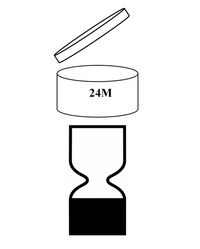
The 'lid' symbol [top] indicates the recommended number of months within which the product should be used after it's first opened. Cosmetic products that have a lifespan of less than 30 months must show a 'best before end of' date - this may be shown as the 'egg timer' symbol [bottom], followed by the date. "Some products, such as aerosol and perfumes, don't require any dates to be shown as they don't deteriorate in the same way, due to their high alcohol content, or because they come in single-use packs," says Crawford.
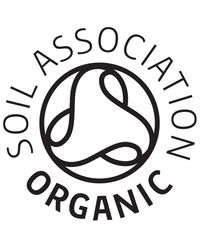
Soil Association Organic symbol

Certified Organic

Products carrying this logo must have clear labelling and product formula, approved by the organic product watchdog, the Soil Association(opens in a new window). They must use the maximum possible amount of organic ingredients (95%).
A product can flag that it contains organic ingredients if they amount to 70% or more of the total formula - although they can't claim that the overall product is 'organic'.
Typical list of ingredients in cosmetics

Ingredients

Ingredients legally have to be listed on either the outer packaging, carton or tube, jar or bottle - in descending order of concentration. "Due to the range of shades in lipsticks and make-up, colours are listed together at the end ofingredient lists. They may be preceded by the 'may contain' symbol, which is often a '+/-' logo," says Crawford.
The handbook symbol for cosmetic packaging

More Information

This symbol indicates that further information is included within the packaging. "Instructions for use of the product need to be clearly labelled if they're unusual, or specific to that product, or if there are any warnings, such as specific storage instructions and avoidance of use on specific areas," says Amanda May Watson of Neal's Yard Remedies(opens in a new window).
The E-mark symbol for cosmetic packaging

EU Standards

The 'e' symbol refers to the net contents - the amount of product in the package. The logo is a guarantee that the quantity of the product printed on the packaging is correct, according to EU standards.


Common recycling symbols used on packaging

Recycling & Other Symbols

The Green Dot symbol [top] doesn't refer to recycling as commonly thought. It is a hallmark of European legislation that refers to waste management but has no legal meaning in the UK (it will be on your packaging if the manufacturer uses a global design but under UK law it's redundant). For more information, visit Valpak(opens in a new window). The second image [bottom] is a typical recycling symbol. Read more information about the type of packaging that can and can't be recycled in the UK at Waste Online(opens in a new window).

Tuesday, 18 October 2011

Products For My Range

For the shape of the bottles i'm going to stick to similar ones that The Body Shop use, the main reason is because I want to focus more on the surface design of the packaging but also it means they will still be recognisable to existing customers. The products i'm going to re-create as my winter collection will be:


- Body Lotion
- Hand and Nail Treatment
- Moisture Hair Butter
- Skin Reviver
- Lip Butter
- Body Loofah Mit


I've picked these products as from the research I have done, I think they will essential products for protecting and relieving the skin from the cold winter weather. These individual products also in different shape/sized bottles so I will have some variation in the packaging I design for them.


I will be re-designing/creating new packaging for each of the individual products but also I will be creating a gift set for them to be sold together which as it's coming up to christmas, will make a useful present idea. 

Why A Winter Range?

I've chosen to create a winter range as the cold whether can easily dry out your skin. I will be choosing essential products from the Body Shop to be a part of my range which protect and help the skin during the cold winter months.


Here is some information i've found on the internet about the effects of winter on your skin and why my proposed Body Shop range will provide a useful solution:


Winter can play havoc with your skin. The skin is the largest organ in the body and is susceptible to many of the environmental hazards that can attack it. A lessening of humidity causes the skin to lose moisture and become abnormally dry. Wearing additional layers of 
clothes will also have this effect by preventing the skins ability to breathe properly. This scenario causes the skin to become drier as the season progresses. Keeping the skin moisturised all year round is of course important, but becomes even more so during the winter months. Therefore, using a good moisturiser on a daily basis is a must.


Take shorter, less frequent showers. When the cold creeps under your covers on a dark winter morning, avoid the temptation to take a long soak in a hot bath or a steamy shower. Sure, it feels great when you’re chilled. But all that hot water pulls the oils from your skin, which ultimately leads to dryness. It’s better in winter to take shorter, less frequent showers, and turn to cozy sweaters and toasty tea to warm up.
Cleanse carefully. Choose a gentle cleanser for bathing rather than a harsher bar soap that can further dry your skin in winter. Look for liquid cleansers that clean and moisturise. Pat (don’t rub) your skin dry.
Moisturise. After showering and drying off, moisturise. You’ll probably want to trade your lighter summer moisturising lotion for a heavier cream, or even an oil-based ointment. A product you scoop out of a jar is probably a better choice in winter than one you squirt. Winter necessitates heavier armor.
Exfoliate. Not only does scrubbing away dead skin cells one or twice a week make your skin glow, but it can also help your moisturiser penetrate better, further protecting and beautifying your skin during winter's harsh weather.
Use sunscreen — yes, even in winter. Don’t let the temperature influence your sunscreen use — it’s just as important to protect your skin in winter. Plus, glare from snow and ice can magnify the sun’s effects. That means your hands and face — and any other areas exposed to the sun’s rays — need a dose of SPF before you head outside. Reapply sunscreen after every two hours you spend outdoors.
Protect your lips. You probably already reach for lip balm all day long in winter. Choose one that has a sunscreen incorporated to protect the delicate skin of your lips from the sun’s rays as well as from the chill and dryness.
Humidify your home. Adding moisture to your indoor air can help keep your skin healthy.
Watch trouble spots. Pay special attention to your hands. Frequent hand washing to thwart winter’s cold and flu germs can dry out your hands. Be sure to moisturise as often as you need to — even several times a day. To make moisturising routine, put a bottle of moisturiser next to the liquid soap in the bathroom. Because exposure to cold outdoor air can also dry your hands, get in the habit of pulling on a pair of mittens or gloves before you head outdoors. And keep your hands dry — if the weather is nasty, choose waterproof gloves.

* Information taken from www.doctorsexercise.com and www.dailyglow.com *

I will have a look at existing products by the Body Shop and find ones which will help with the issues above.

From the information above and also my own knowledge, the best products to include in my range will be a body lotion, a facial moisturiser, hand cream, lip balm, exfoliating scrub or mitten and from my own experience I also find your hair gets dry during winter so a hair care product will also be useful to have in my winter range.